|
| Watch out for these common scamsScams have become more widespread than ever and often start with something as simple as an email or text message, a phone call, or an ad on social media. To help you protect yourself, we’re sharing some current fraud trends you should watch for.Common scams you should know about |
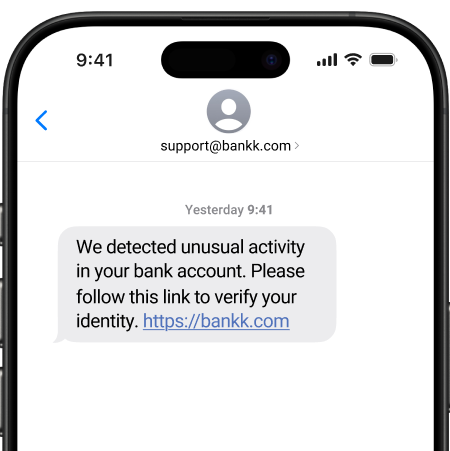 Bank impersonation scamsScammers are posing as bank representatives and contacting individuals through a variety of channels, including calls that spoof the bank’s phone number as well as legitimate-looking phishing text and email messages that lead to malicious websites. The goal of fraudsters is to gain access to their victims’ funds, accounts or personal information. Bank impersonation scamsScammers are posing as bank representatives and contacting individuals through a variety of channels, including calls that spoof the bank’s phone number as well as legitimate-looking phishing text and email messages that lead to malicious websites. The goal of fraudsters is to gain access to their victims’ funds, accounts or personal information. How to help protect yourself: Hang up or don’t click or reply, then call your bank using the number on the back of your bank card. How to help protect yourself: Hang up or don’t click or reply, then call your bank using the number on the back of your bank card. |
 Tech support scamsScammers are impersonating tech support staff for well-known companies to trick people into believing there is a problem with their computer, account or device. They may reach out directly, or you could encounter an error screen on your device with a “customer service” number to call. The fraudsters may ask for payment or request remote access to your computer – which they could use to steal personal information or install harmful software.How to help protect yourself: Hang up. Legitimate tech support providers will not call, text, or email you unless you reach out to them first. Tech support scamsScammers are impersonating tech support staff for well-known companies to trick people into believing there is a problem with their computer, account or device. They may reach out directly, or you could encounter an error screen on your device with a “customer service” number to call. The fraudsters may ask for payment or request remote access to your computer – which they could use to steal personal information or install harmful software.How to help protect yourself: Hang up. Legitimate tech support providers will not call, text, or email you unless you reach out to them first. |
 Grandparent scamsFraudsters are calling victims posing as a family member and saying that they’re in trouble and need money. Using a false sense of urgency, fraudsters pressure their victims into transferring money immediately – before the victim has a chance to verify the situation.How to help protect yourself: Hang up and try to contact that family member through a trusted number, or contact another close relative to check in. Grandparent scamsFraudsters are calling victims posing as a family member and saying that they’re in trouble and need money. Using a false sense of urgency, fraudsters pressure their victims into transferring money immediately – before the victim has a chance to verify the situation.How to help protect yourself: Hang up and try to contact that family member through a trusted number, or contact another close relative to check in. |
 Investment scamsFraudsters are posing as bankers or investment professionals to scam individuals with fraudulent investment opportunities. Scammers contact their victims through a variety of channels promising large returns – but once they invest, the money is gone.How to help protect yourself: Remember, if it seems too good to be true, don’t invest. Investment scamsFraudsters are posing as bankers or investment professionals to scam individuals with fraudulent investment opportunities. Scammers contact their victims through a variety of channels promising large returns – but once they invest, the money is gone.How to help protect yourself: Remember, if it seems too good to be true, don’t invest. |
| Important: yourbank will never contact you via unsolicited email, text or phone call asking for your bank card or PIN, sensitive information, passwords, or verification codes (one-time passcodes). Your bank will never contact you asking for your bank card or PIN, or send a courier to pick up your card and/or PIN. If you get a call, voicemail, email or text from someone claiming to be from your bank and you think it’s suspicious, do not share any personal information and contact us immediately using the information on the back of your card. |
 Learn tips to help protect yourself from scams here.Learn about other scams here.Learn how to report fraud here. Learn tips to help protect yourself from scams here.Learn about other scams here.Learn how to report fraud here. |
|